Who We Are

SagarmathaIQ is an independent hobby project run by three Nepali physicists. In our spare time, we apply data science, statistical modeling, and AI to questions about Nepal using publicly available data and transparent methods.

The Project

SagarmathaIQ began with a simple question: could a probabilistic model forecast Nepal's 2082 parliamentary elections using only public data and transparent assumptions?

Since then, the project has expanded into a broader effort to explore Nepal-related questions through quantitative analysis. Elections, economics, public policy, and other topics are all fair game if they are interesting and data can help illuminate them.

We are not funded, affiliated, or advocating for any agenda. We build models, analyze data, publish our methods, and share what we learn. Everything is done independently as a weekend and leisure-time project.

Use of AI

We use modern AI tools to assist with research, coding, data processing, and drafting. AI-generated outputs are treated as inputs to our workflow, not as authoritative sources. All analysis, modeling choices, and published results are reviewed by us before publication.

We may occasionally publish AI-assisted analyses or experiments. When we do, we will make a reasonable effort to document the methodology, limitations, and the role AI played in the work.

The Team
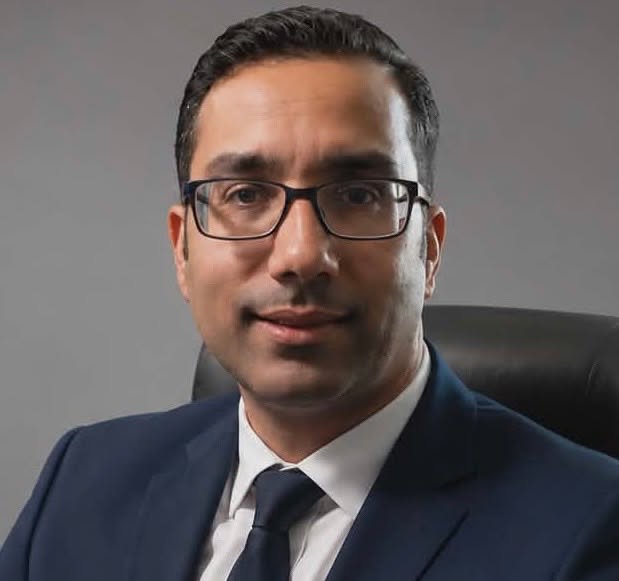
Dipak Rimal
Dipak Rimal, PhD
Lead Modeller
Dr. Dipak Rimal is a data scientist with 10+ years across academia and industry. Dr. Rimal holds PhD in Physics from the Florida International University, Miami, FL (2014). Training in particle physics taught him to find signal in noisy data - the same approach now drives his work in AI and analytics. Has led interdisciplinary projects across domains from particle collisions to bee colony sizes to student learning patterns, always focused on understanding complex systems and creating measurable impact. For this project, Dipak built the FPTP constituency model, and National PR Model, Monte Carlo simulation pipeline, and all published dashboards.
LinkedIn
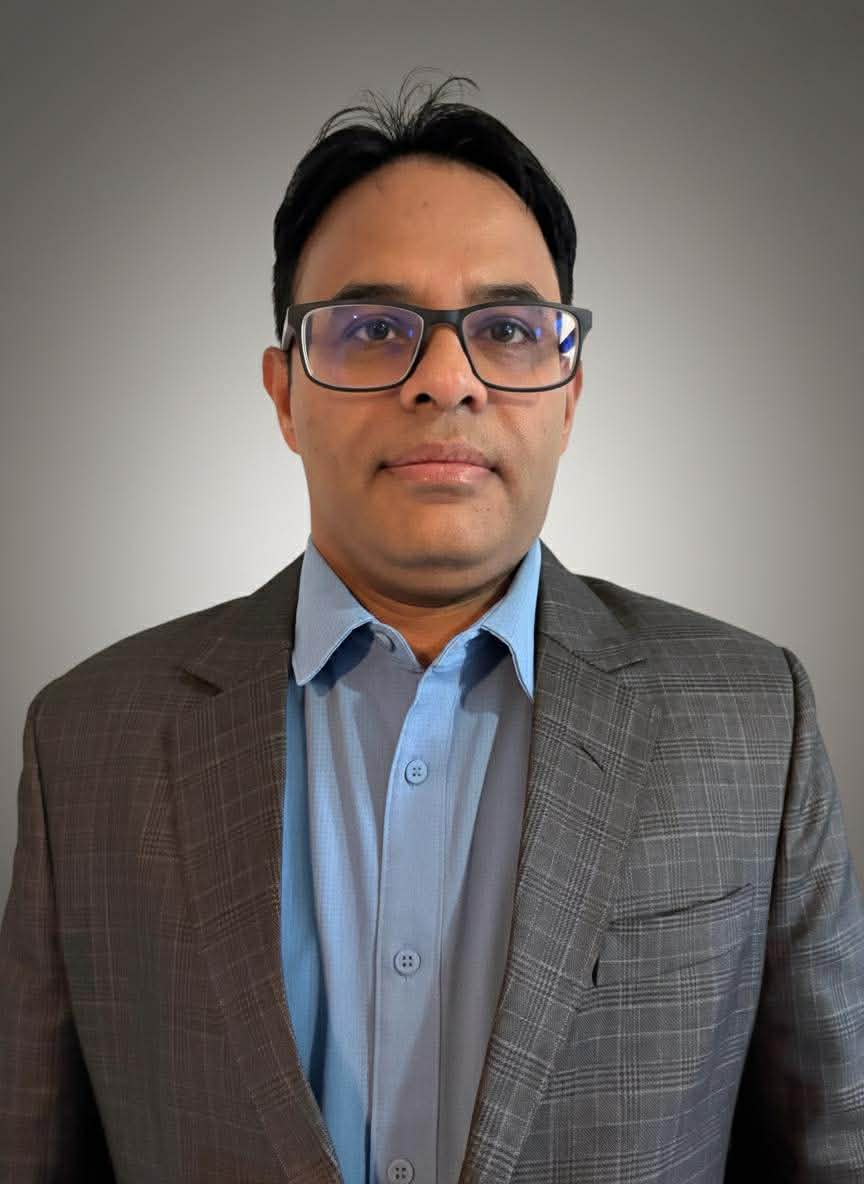
Puskar Chapagain
Puskar Chapagain, PhD
Statistical Modelling
Dr. Puskar Chapagain is a research scientist and educator with 15+ years in academia and quantitative research. He earned his PhD in Physics from Texas Christian University, Fort Worth, TX (2015). His career has been defined by the intersection of high-level physics education and applied research in nanotechnology. Both fields demand extreme precision, the ability to isolate signals from noise, and the application of statistical rigor to experimental data. This background in physical sciences translates seamlessly into the world of probabilistic forecasting, where the primary challenge is deriving clean, actionable inference from uncertain and multi-variable environments. As a specialist in modeling, Dr. Chapagain brings a structured, analytical framework to the team. He anchors the statistical modeling of Nepal's electoral and socioeconomic landscapes, utilizing deep quantitative expertise to transform complex datasets into reliable predictive insights.
LinkedIn
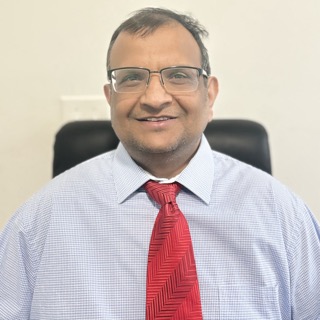
Nabraj Bhattarai
Nabraj Bhattarai, PhD
Research & Analysis
Dr. Nabraj Bhattarai earned his PhD in Physics from the University of Texas at San Antonio in 2014. Since then, he has built extensive experience in materials science engineering and technology node development in leading semiconductor industry. His work integrates advanced data analytics, machine learning, and deep learning techniques to analyze complex defect mechanisms, support advanced failure analysis, and improve semiconductor process development at leading technology nodes. Dr. Bhattarai contributes rigorous quantitative research methodology and ground-level electoral context for Nepal.
LinkedIn

Contact

Questions, corrections, or feedback on the model are welcome.

Email us